

If You Like Birding…Let’s Go Mothing!
BIRDING AND GARDENING ARE WAYS TO DISCOVER THE NATURAL WORLD, AND MOTHING IS NO DIFFERENT, AN ACTIVITY WE CAN ENJOY IN OUR OWN BACKYARDS..
Author Laurie Broccolo is a Trustee with the Saunders Finger Lakes Museum, owner of Broccolo LEEDS LLC, and a consultant with over 50 years’ experience with Landscape Environmental Expertise & Design Services.
Like bird watching, it encourages us to observe natural interactions with our plants. By planting butterfly gardens and adding milkweed, we create pathways that help support the survival of migrating monarch butterflies. The “Saving the Bees” movement has also helped us understand the important connection between bees, our food systems, and human survival.
Who Thinks About Moths?
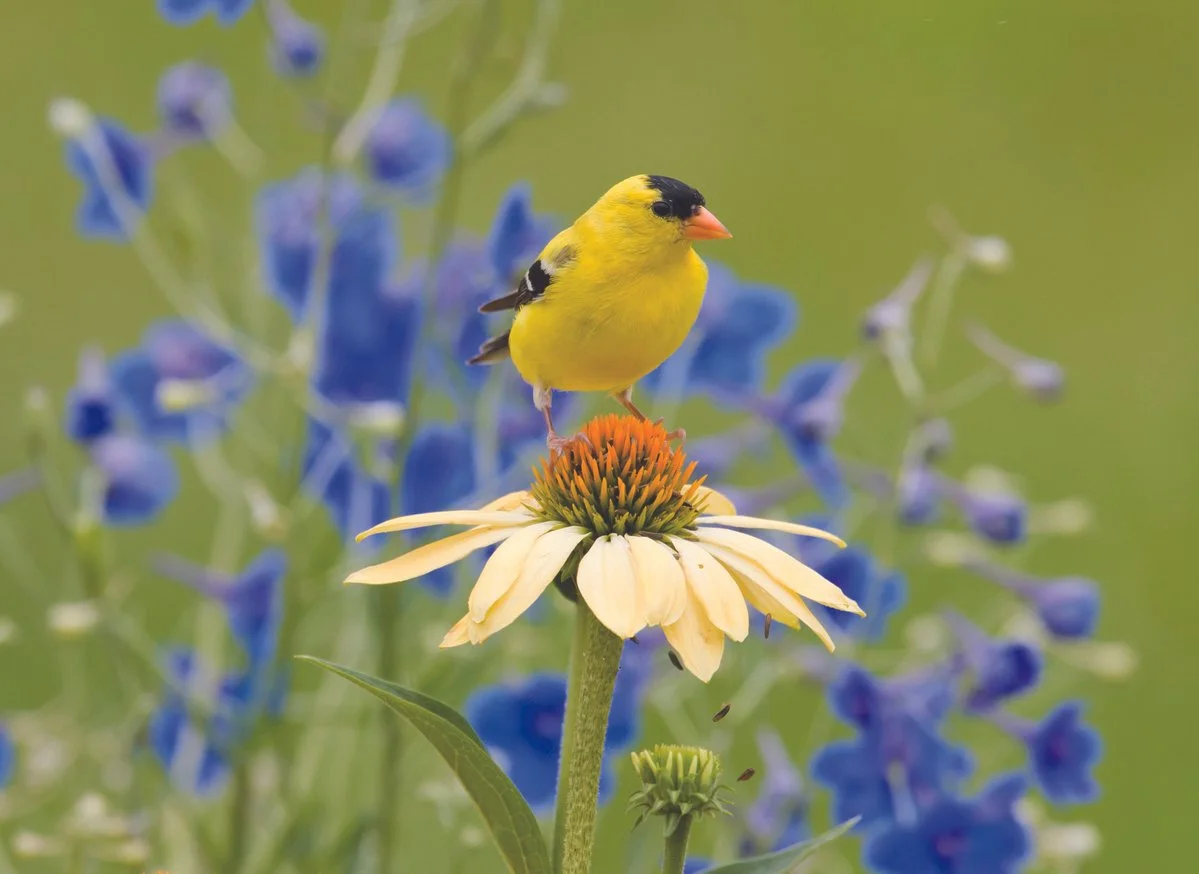
You should as they are one of nature’s most important links to bird survival.
WhY?
The caterpillars of moths are a very important protein food source.
HOW MANY MOTH LARVAE ARE NEEDED?
One pair of a chickadee’s brood needs to eat 400 to 500 per day, which is a minimum of 6,000 caterpillars for the first couple of weeks.
WHERE DO THEY FIND THEM?
Moths are “out of sight and therefore out of mind” because these beautiful creatures are nocturnal. However, they can be found in leaf mulch, in soil, on stems, and on the barks and twigs of plants.
WHAT CAN I DO?
Nurture Moths and become a MOTH-er. Reduce your lawn and leave the leaves! Just a 6-inch layer of nature’s leaf mulch provides winter insulation for your perennial plant roots, adds nutrients to the soil, and provides a habitat for beneficial insects.
DESIGN YOUR LANDSCAPE
Add plants with a purpose with host plants such as oak, birch, maple, and aspen trees. Create mixed habitats with shrubs such as button bush, willow, and rhus, and fill in with native perennial flowers and grasses.
Natural landscapes are easier to maintain and full of life with mental and physical health benefits.
Check out the free Broccolo e-book to transition lawns to meadows. broccololawnandlandscape.com
_______________
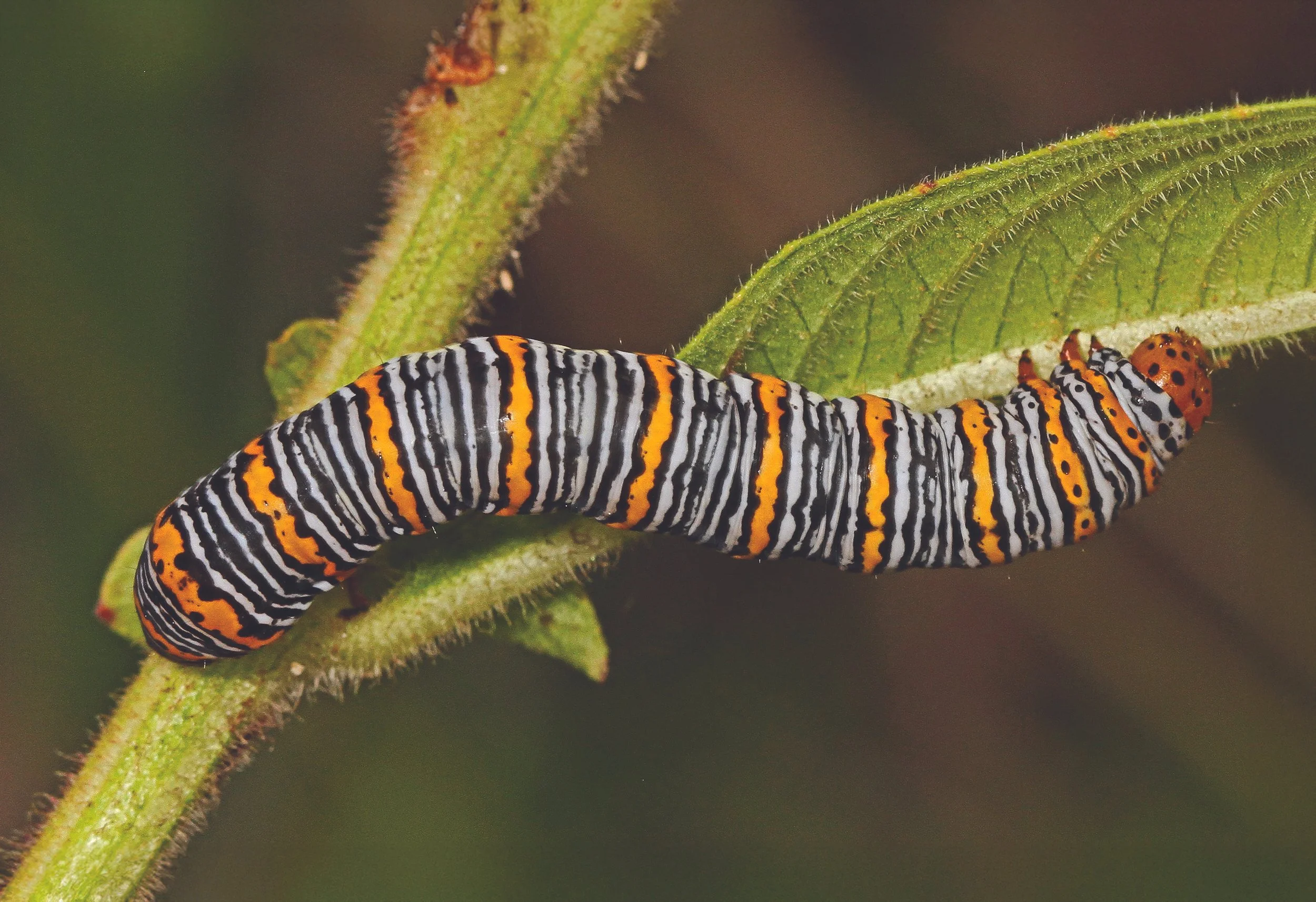
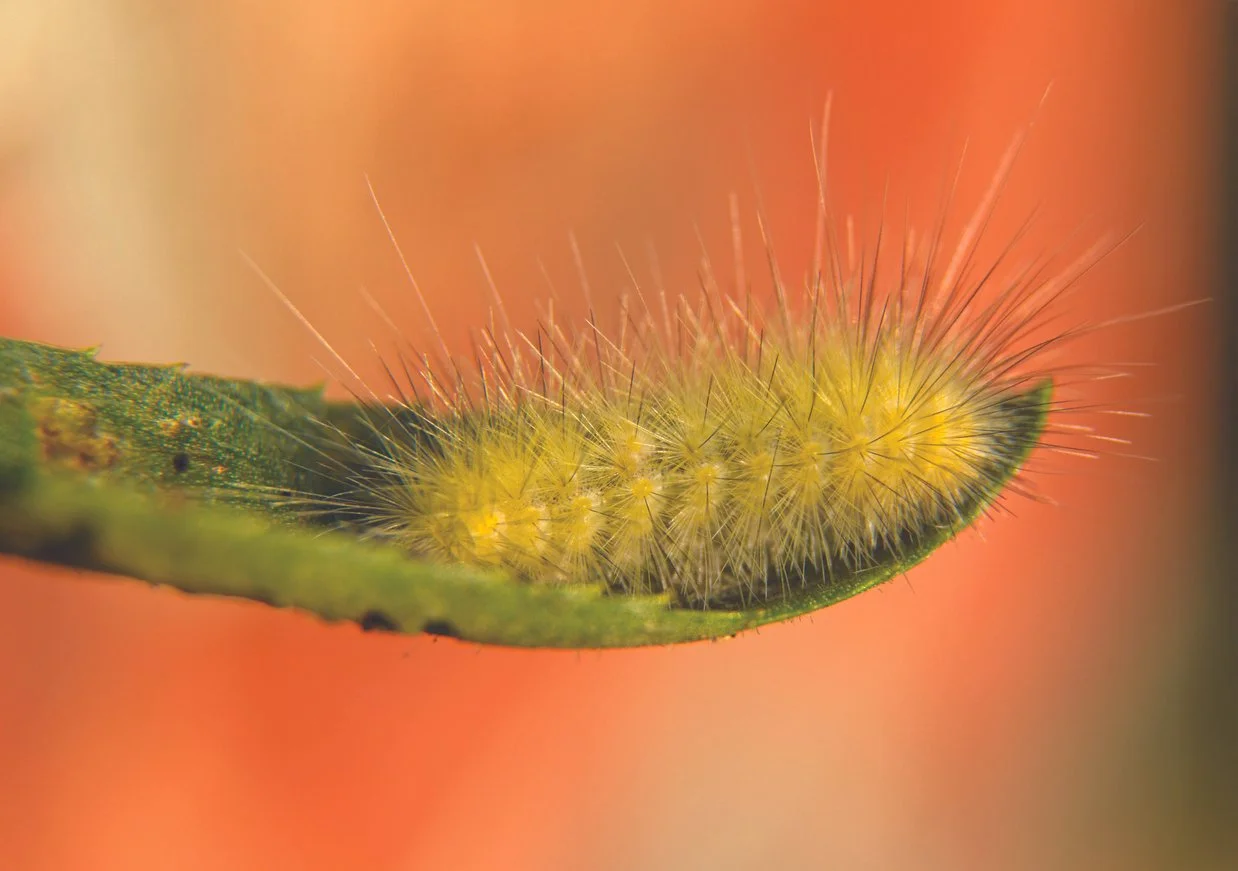
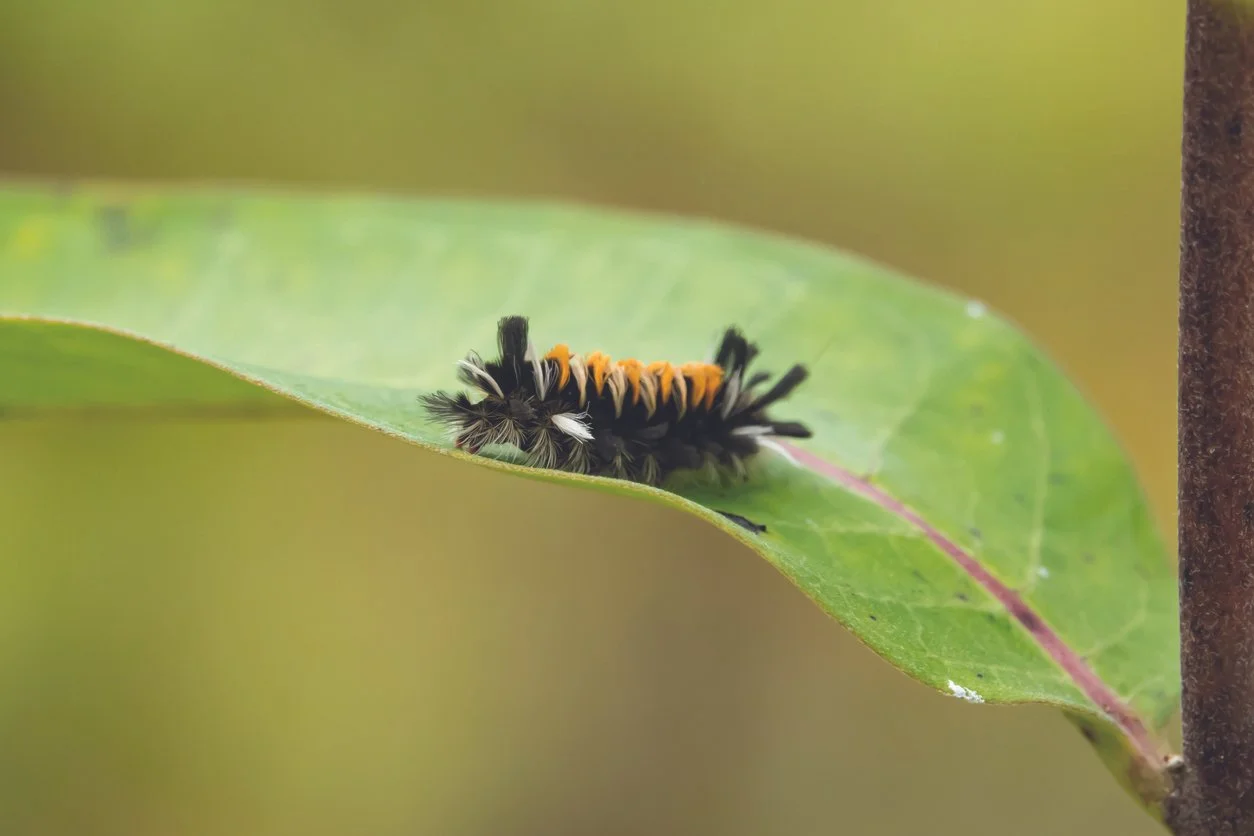
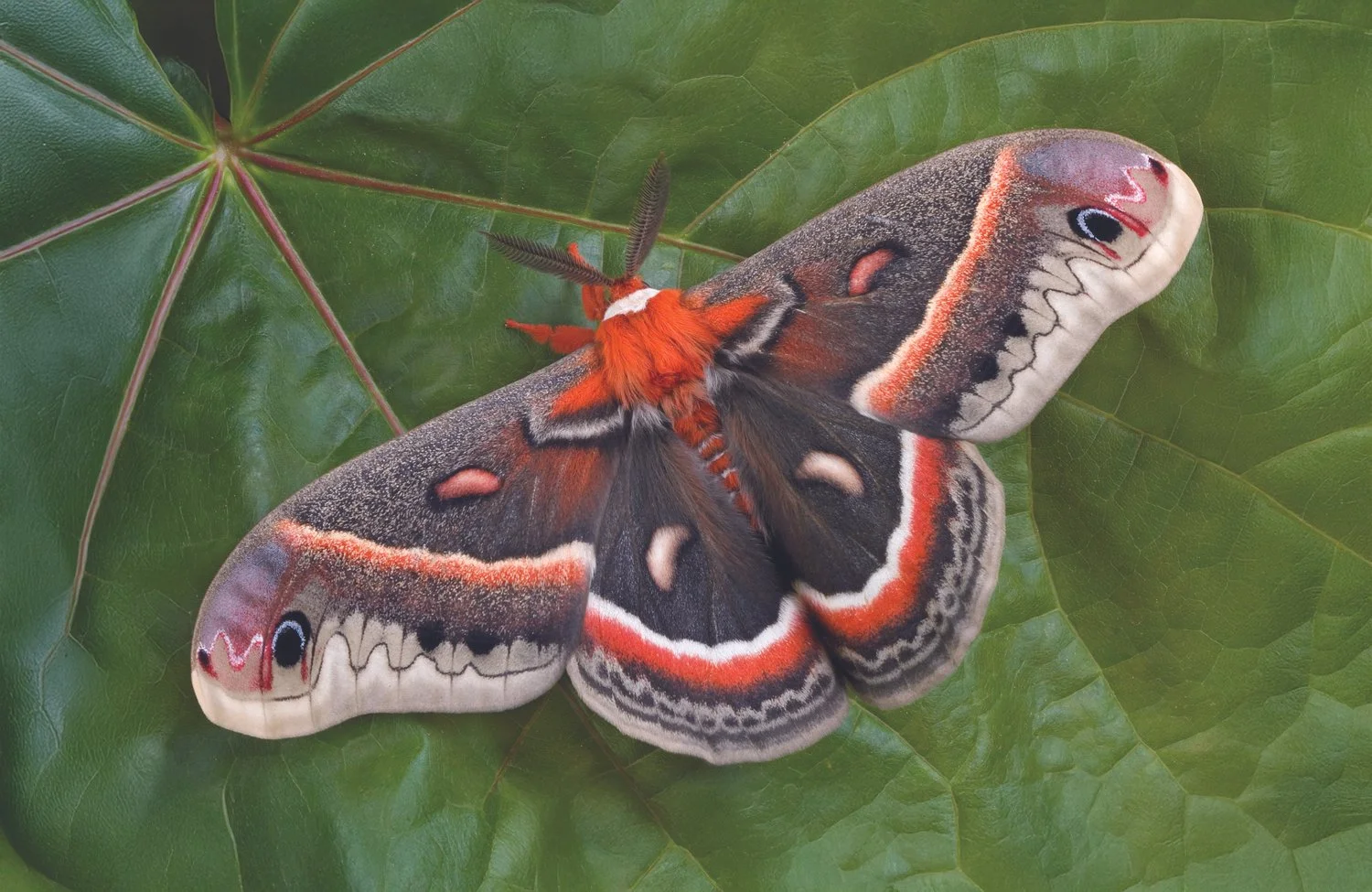
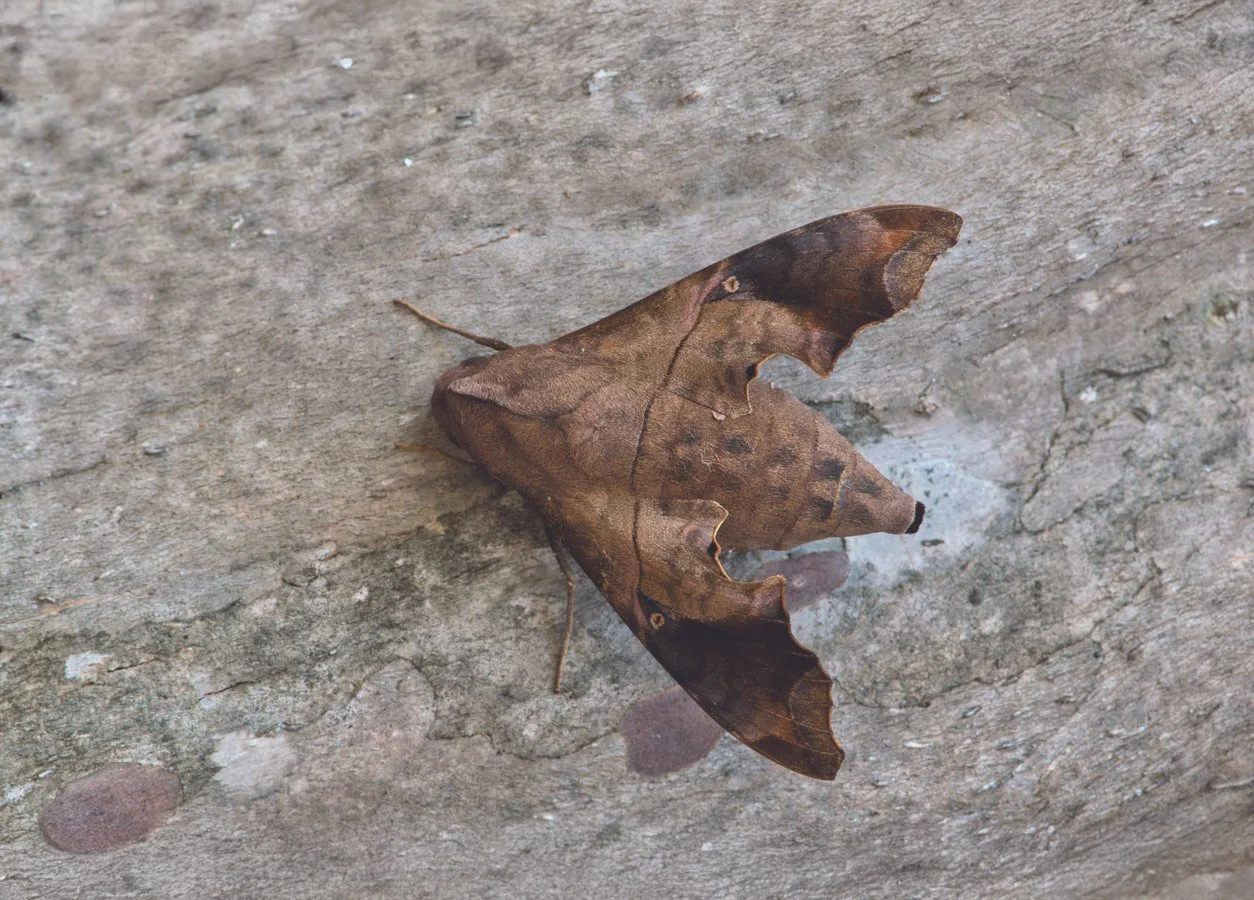
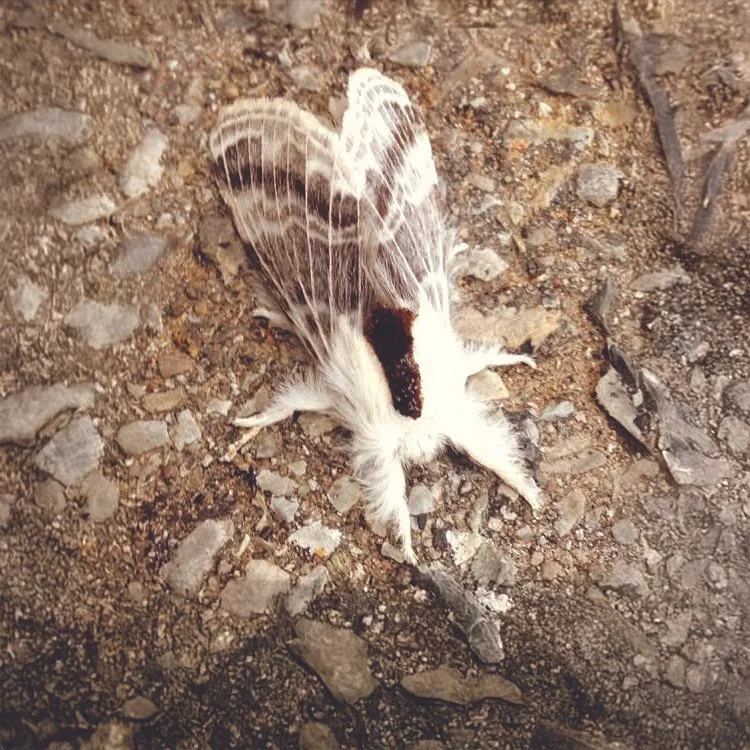
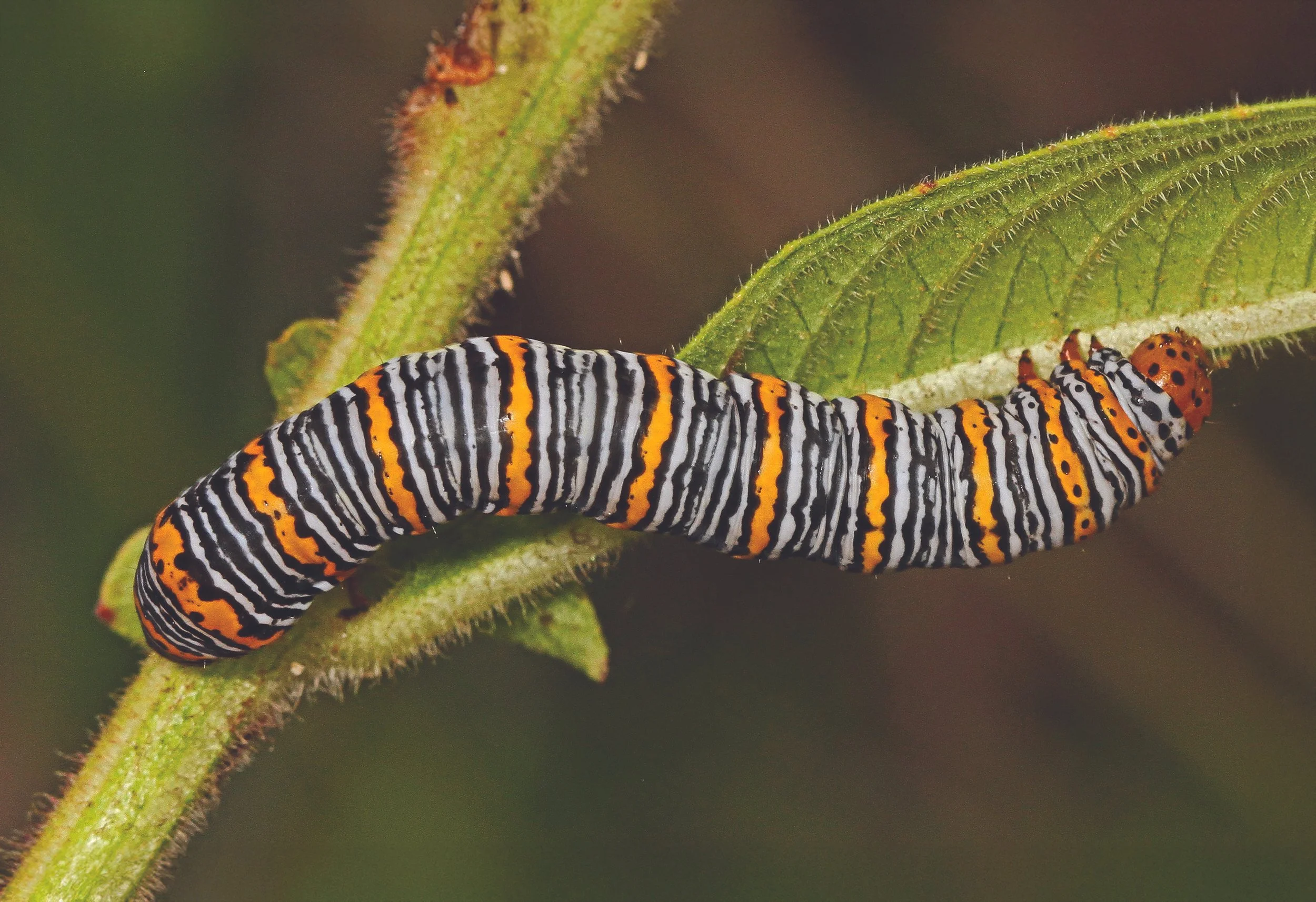
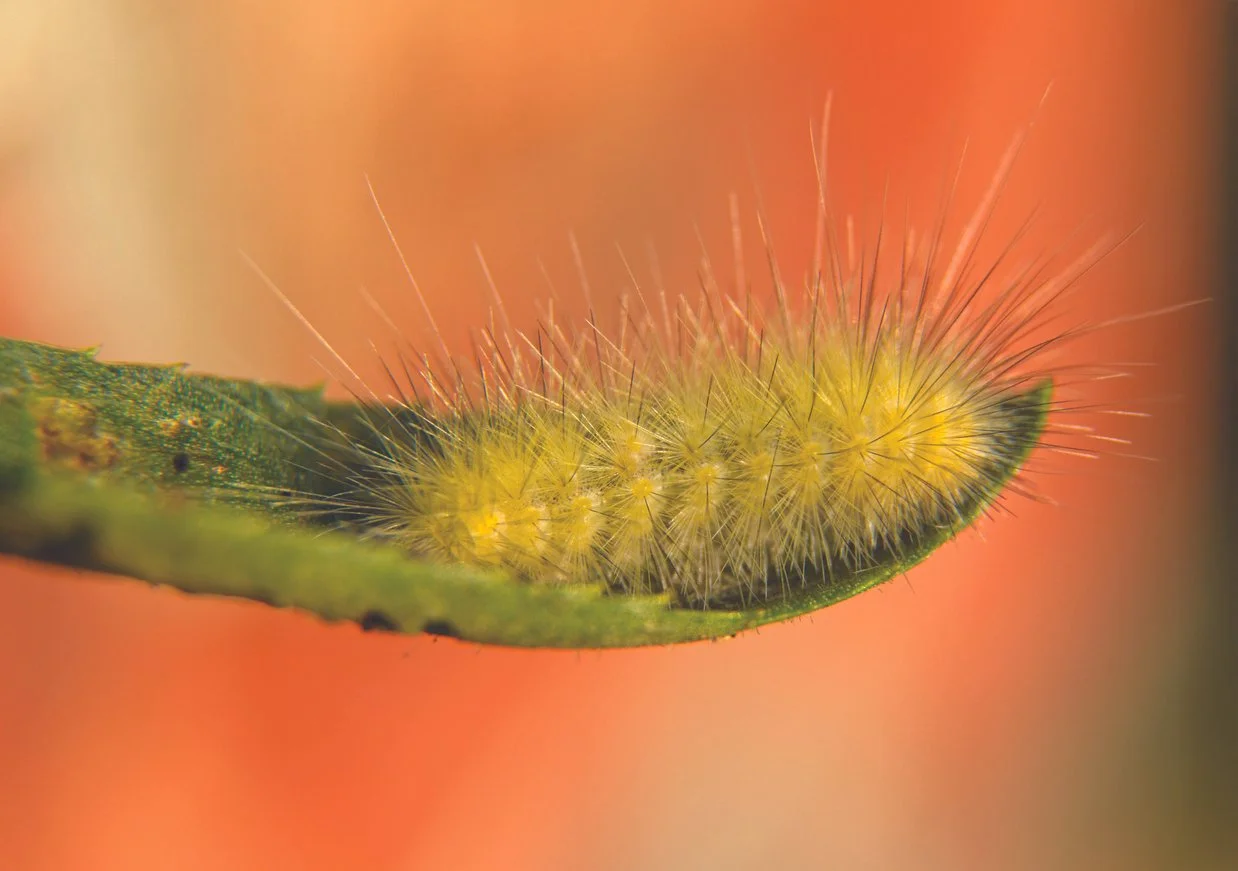
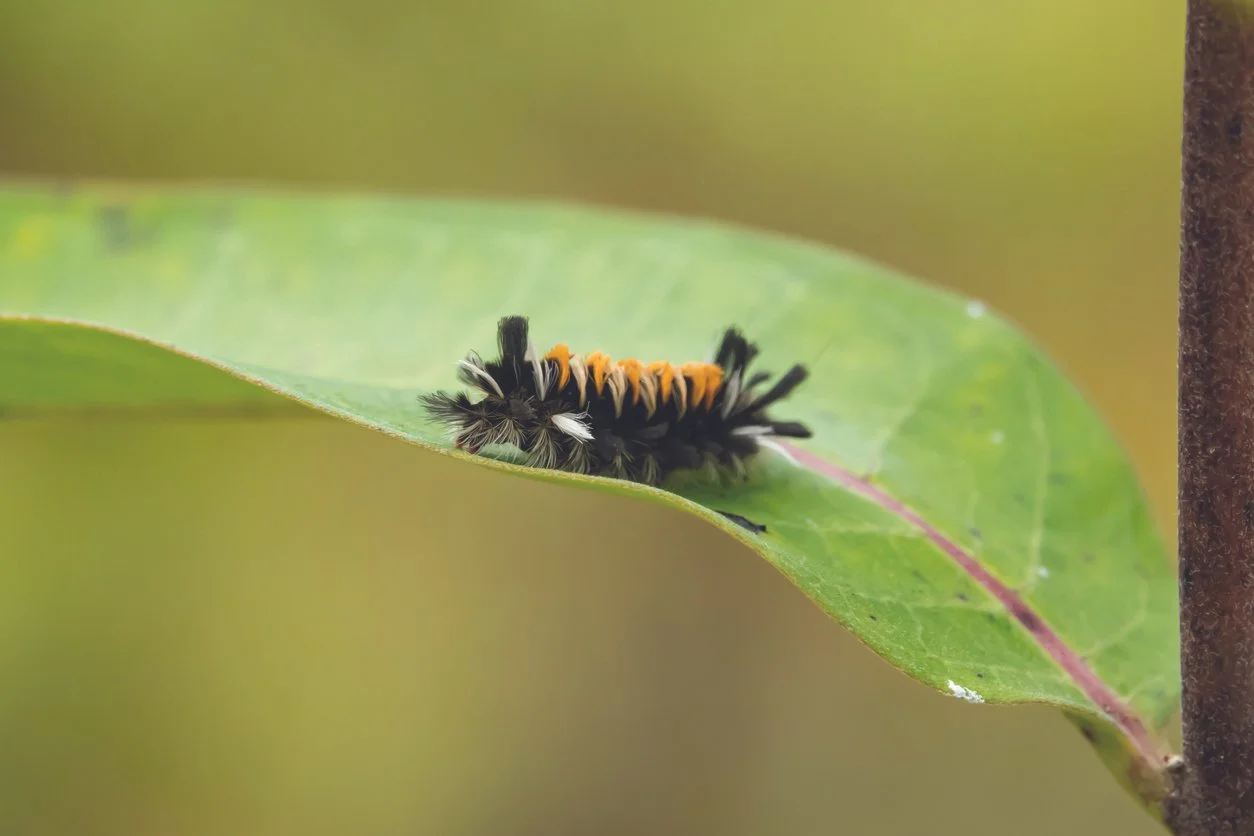
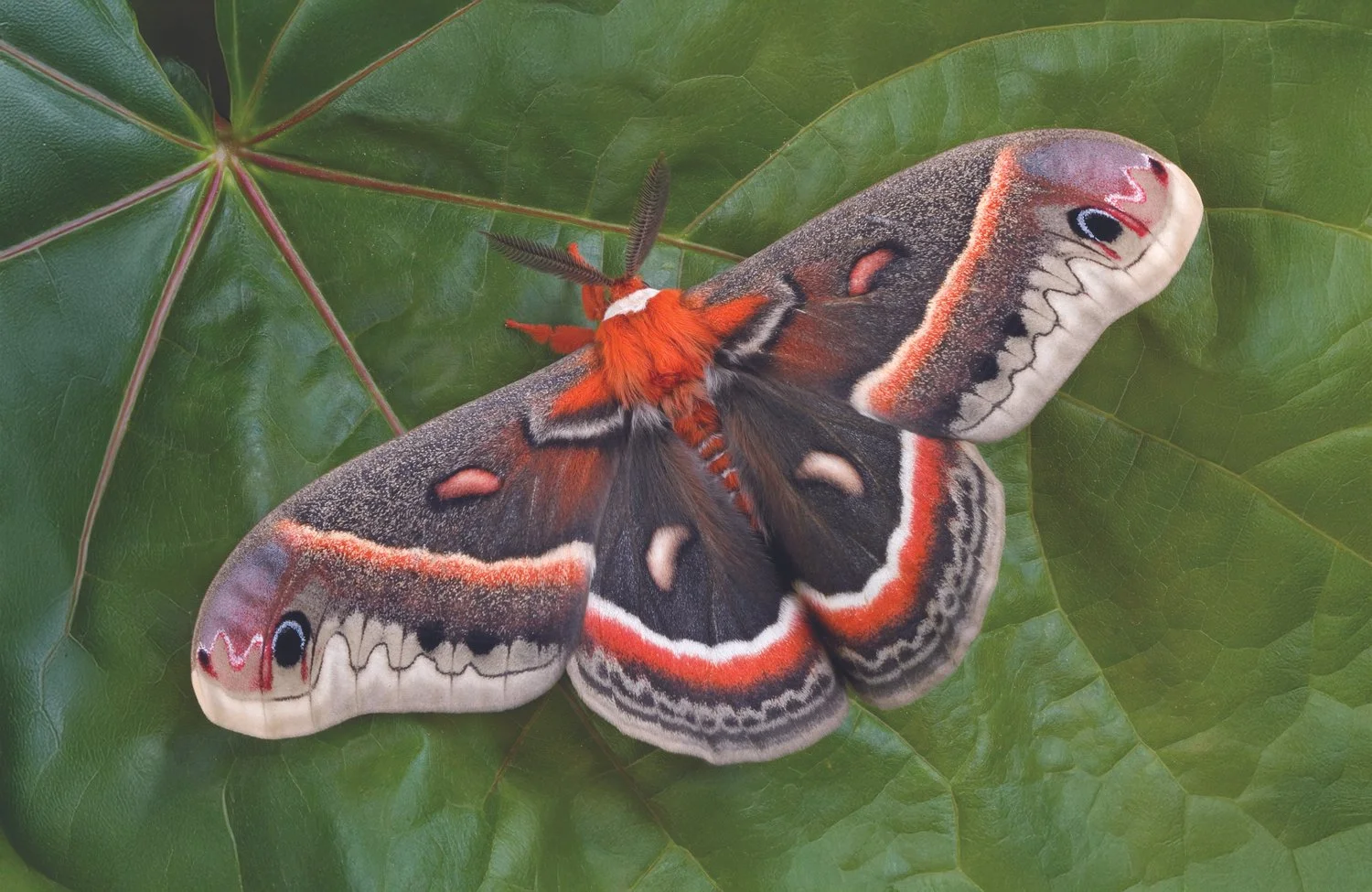
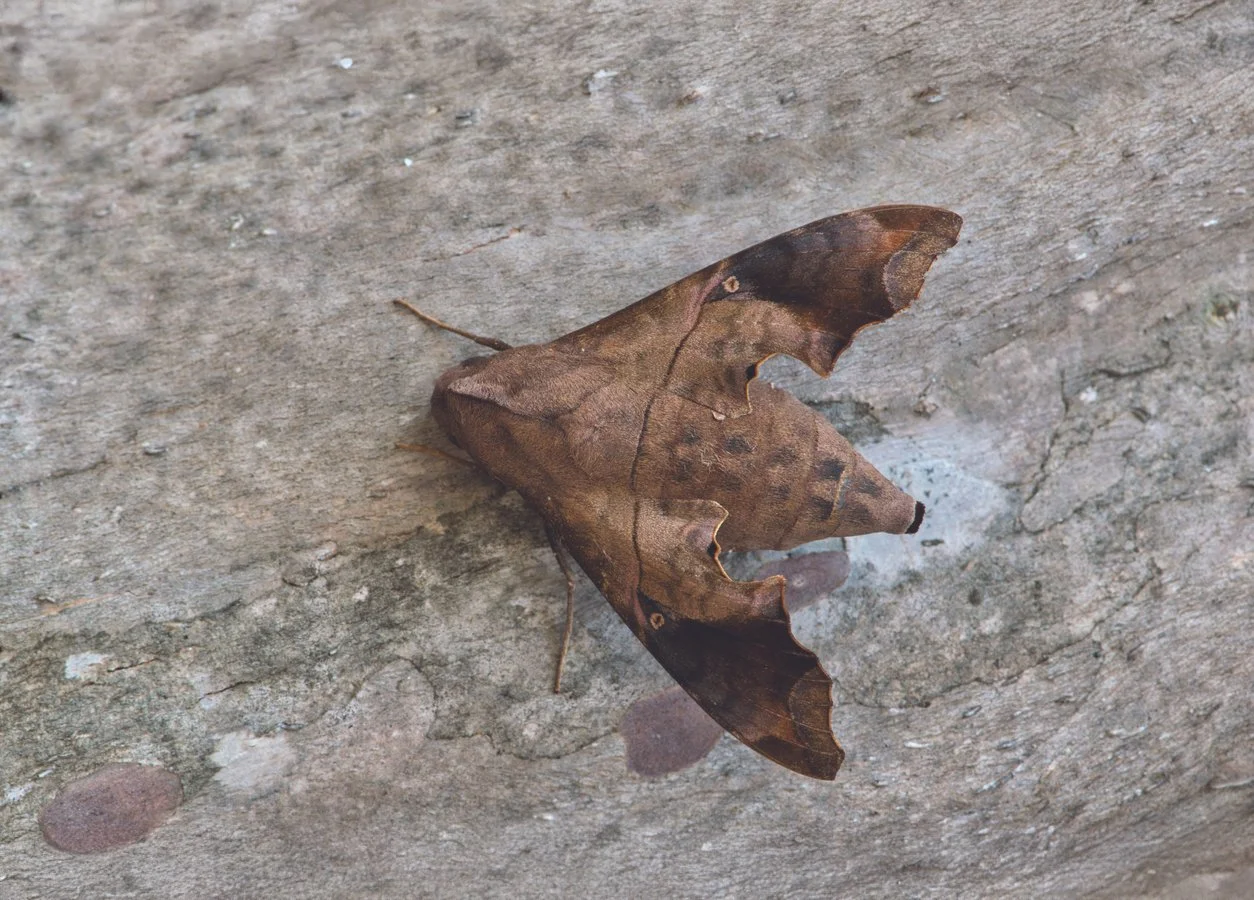
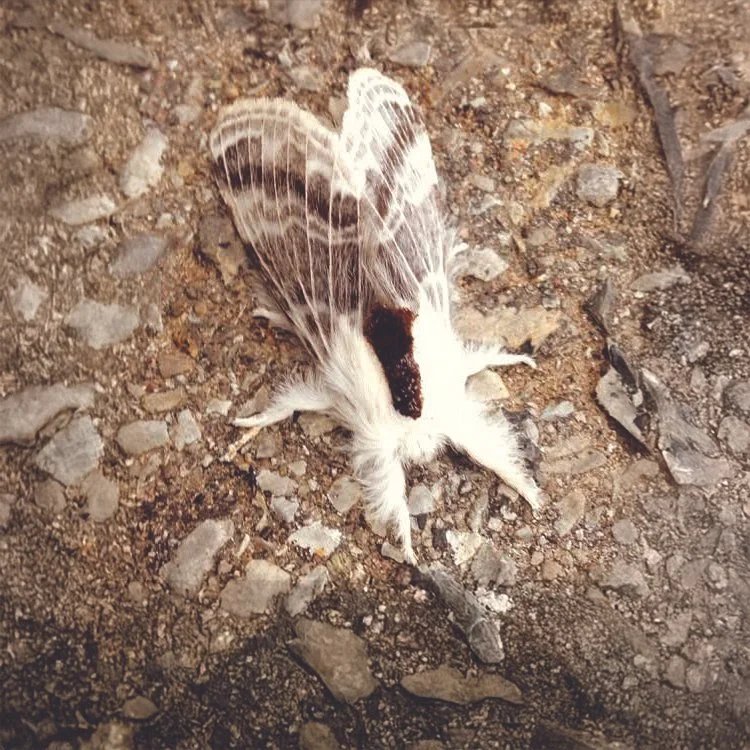
Here are some of the common moths you may have seen. Do you remember being mesmerized while watching inchworms make their way along a twig, blending in with their surroundings? Did you ever think about what a cute inchworm will transform into? Moths are mysterious mimickers that must hide to survive, both as caterpillars and as adults. They must lay thousands of eggs, yet very few metamorphose to adults because birds consume thousands of them during the short nestling season.
Here is a simple, cost saving and lifesaving home improvement you can do:
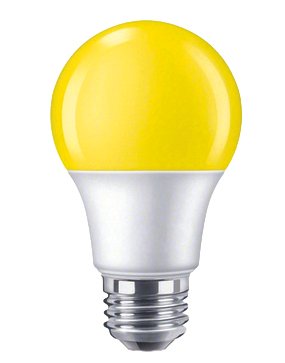
Change your outdoor lights to LED yellow bulbs to save the moths which also feed the next generation of birds.
Join the Movement and create your own Homegrown National Park. We are on the map and you can be too.