

Wild Returns
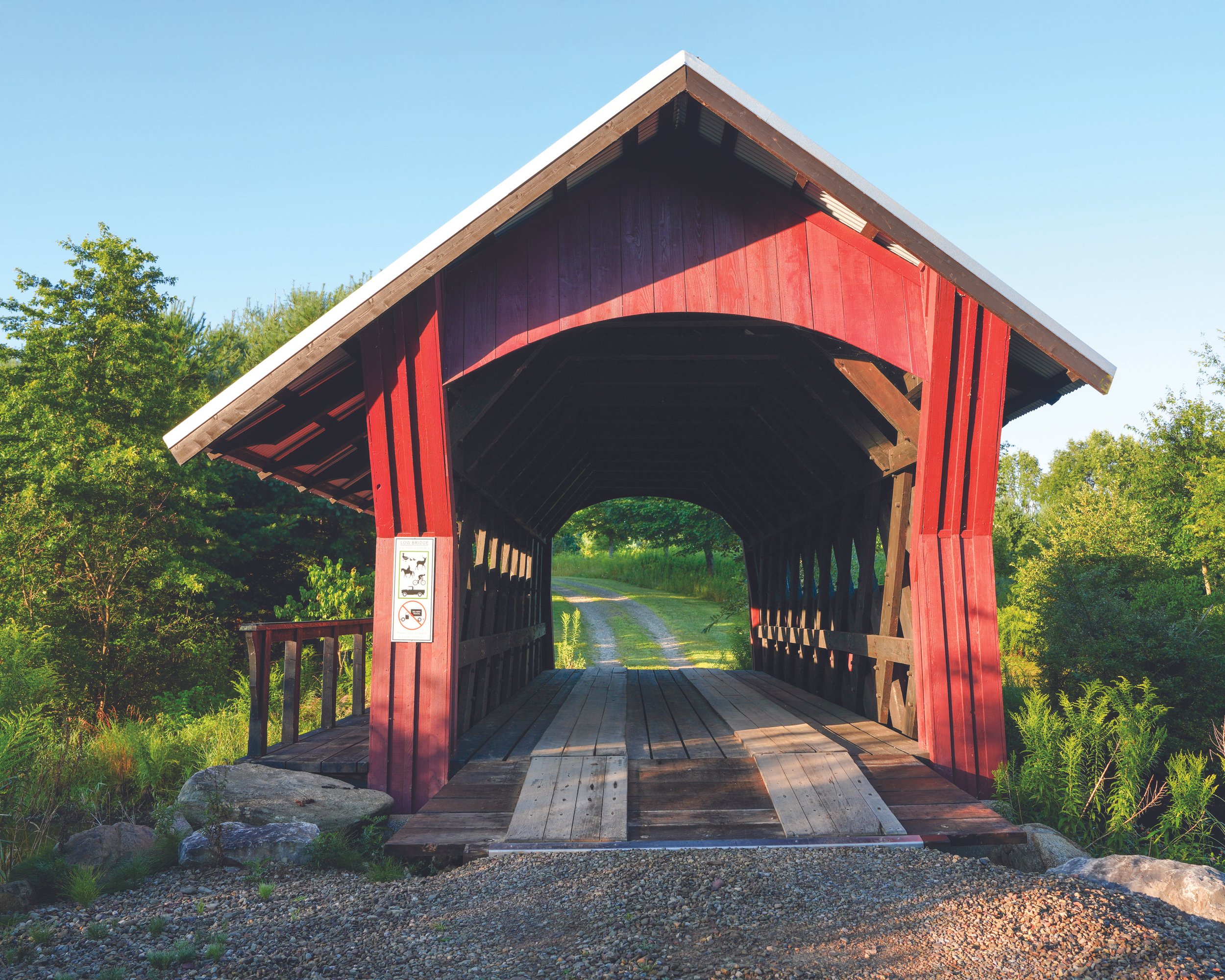
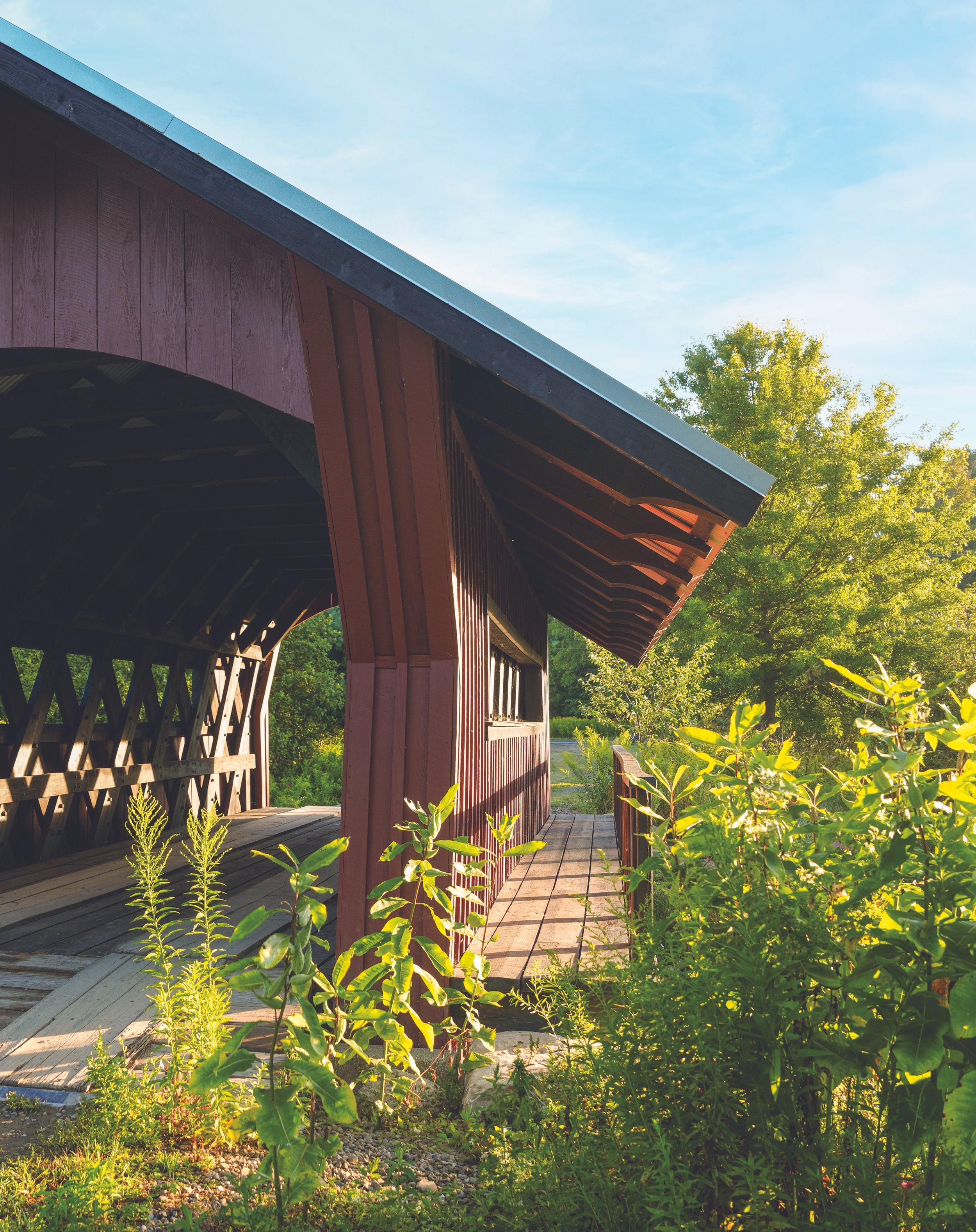
IT WAS SPRING 2020 AND GEORGE KLEMENS, OWNER OF TIMBERBUILT, WAS DRIVING OVER A SMALL BRIDGE ALONG HIS DRIVEWAY, WHICH WOUND THROUGH HIS 104-ACRE PROPERTY.
A disturbance in the typically calm water caught his attention; air bubbles in a manner he had never seen before. He stopped to watch.
Soon, an otter’s head popped out of the water. River otters are an indicator species: they cannot tolerate pollution, habitat degradation, or other environmental stressors. George, an active outdoorsman, had never seen one in New York.
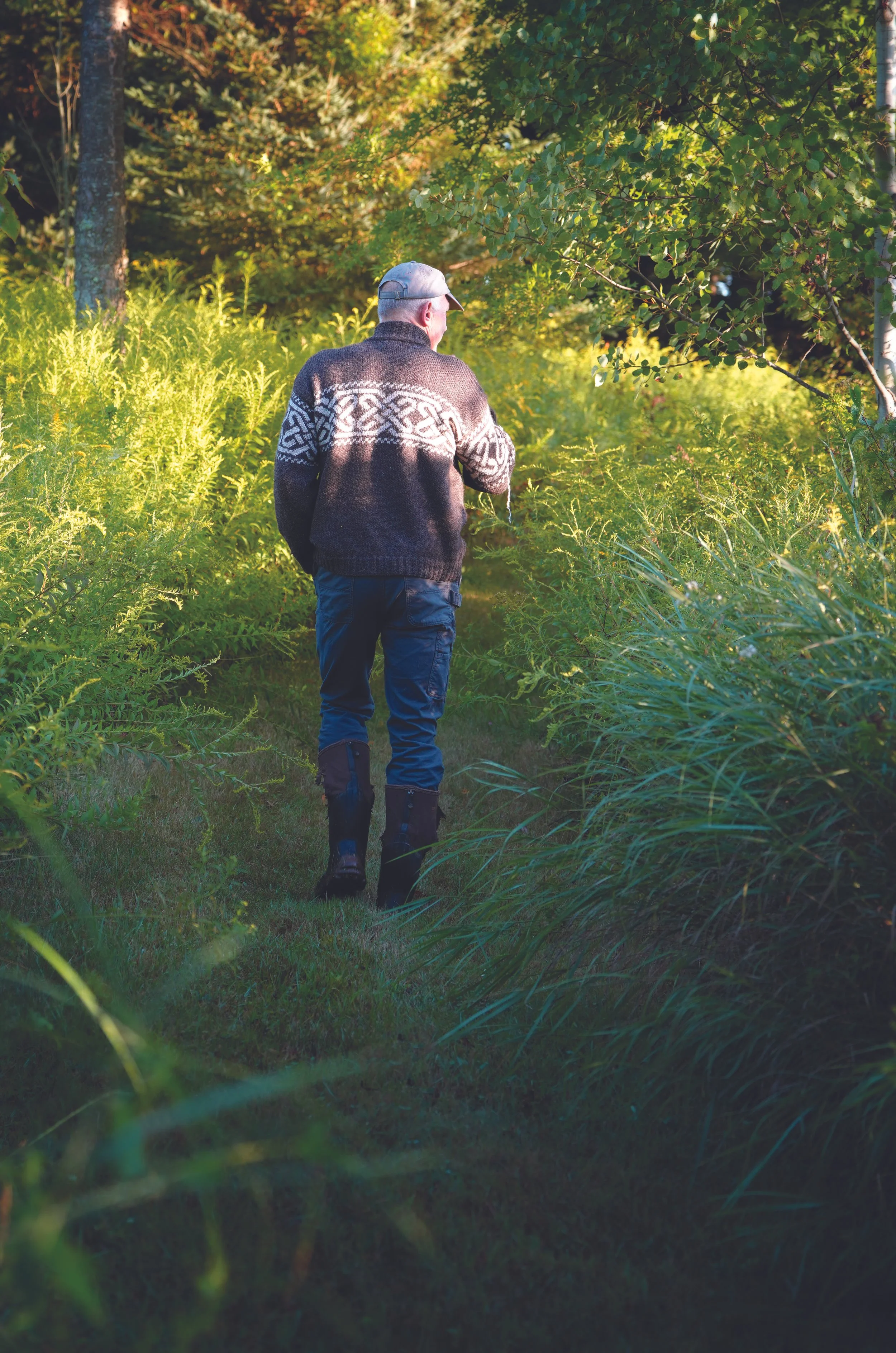
Even more astounding is that this particular otter appeared in a spot that, when George first purchased the property 22 years prior, had no bridge, no stream, and no water. That otter sighting marked a major milestone in George’s devotion to rewilding his land, a movement gaining momentum across the country among landowners and homeowners.
A Place to Thrive
Unlike the conventional approach to ownership that views land as an isolated canvas on which to overlay a personal aesthetic, rewilding treats ownership as a relationship rooted in stewardship, responsibility, and reciprocity. Decisions on where, what, and how to build, plant, and landscape are informed by how a place and all its elements — plants, soil, water, humans, and other organisms — work together so all may thrive.
“Instead of taking … I am going to put back,” George declares. “And I want to on groundwater for its water supply. Fens take thousands of years to develop, are critical for flood and erosion control, are biodiversity hotspots, and, sadly, are quite endangered due to development and other modern disturbances. “The property had all these pieces, but they were all kind of beaten, kind of used up,” George recalls. “They needed some help. It looked like the richest I could imagine at the time, and I set out to put those pieces back together.”
WETLANDS, WATERWAYS, AND OAKS
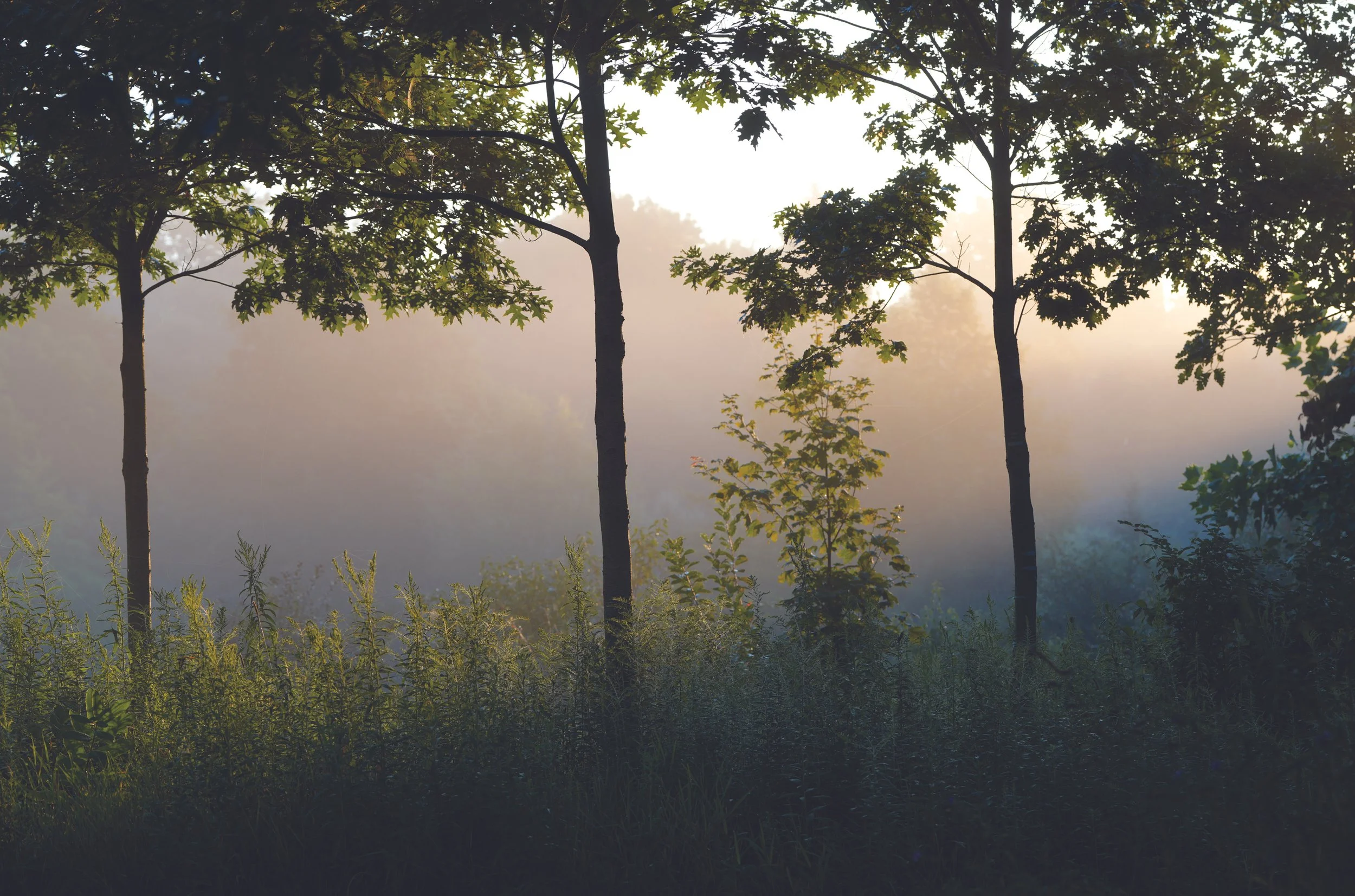
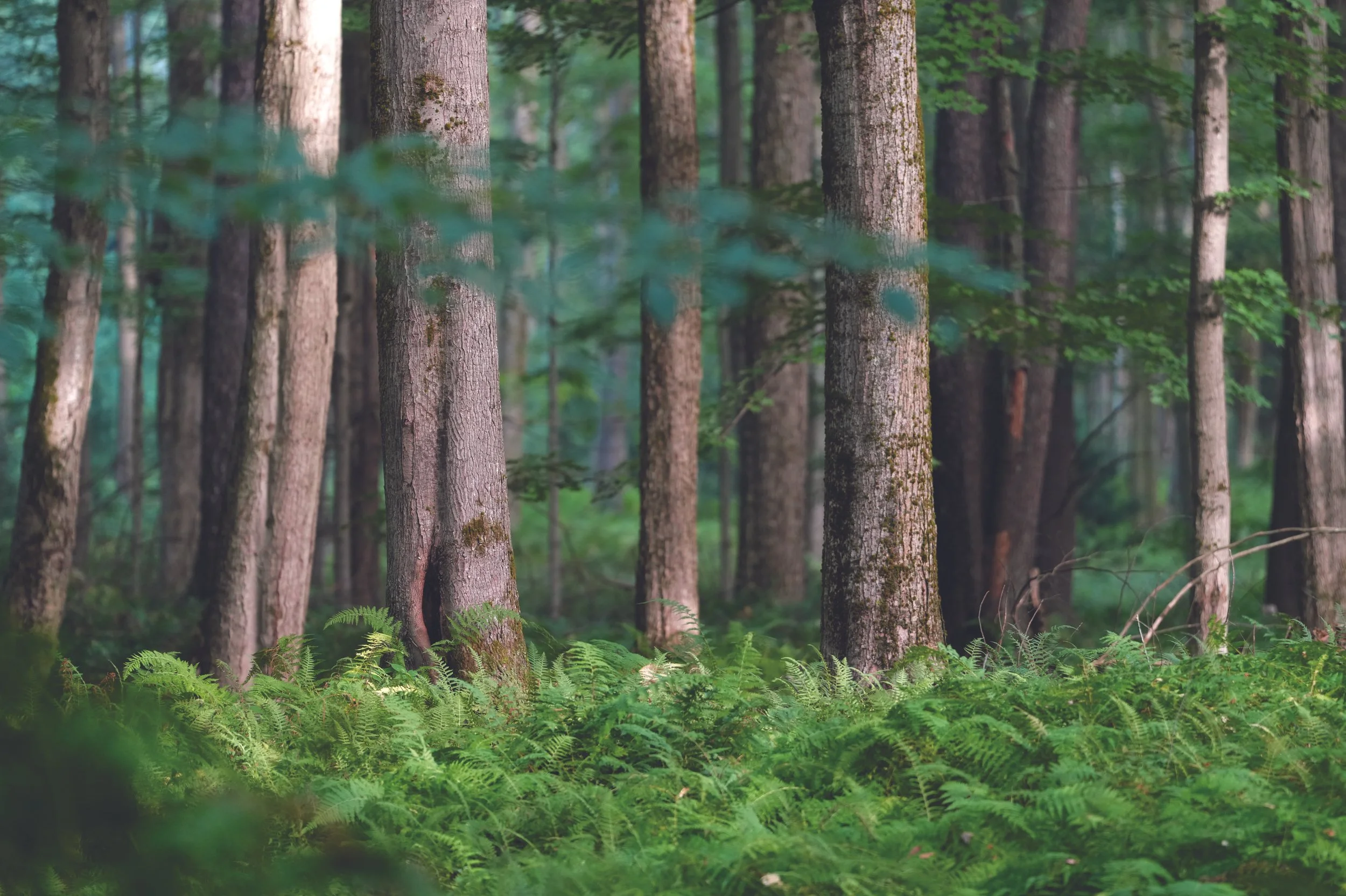
Restoring the land to its natural rhythms meant George had to help it get its groove back. He mapped his vision based on what the land wanted to be — a mixed savannah comprised of wetlands, waterways, and open spaces interspersed with groves of hardwoods.
His budget? Practically zero.
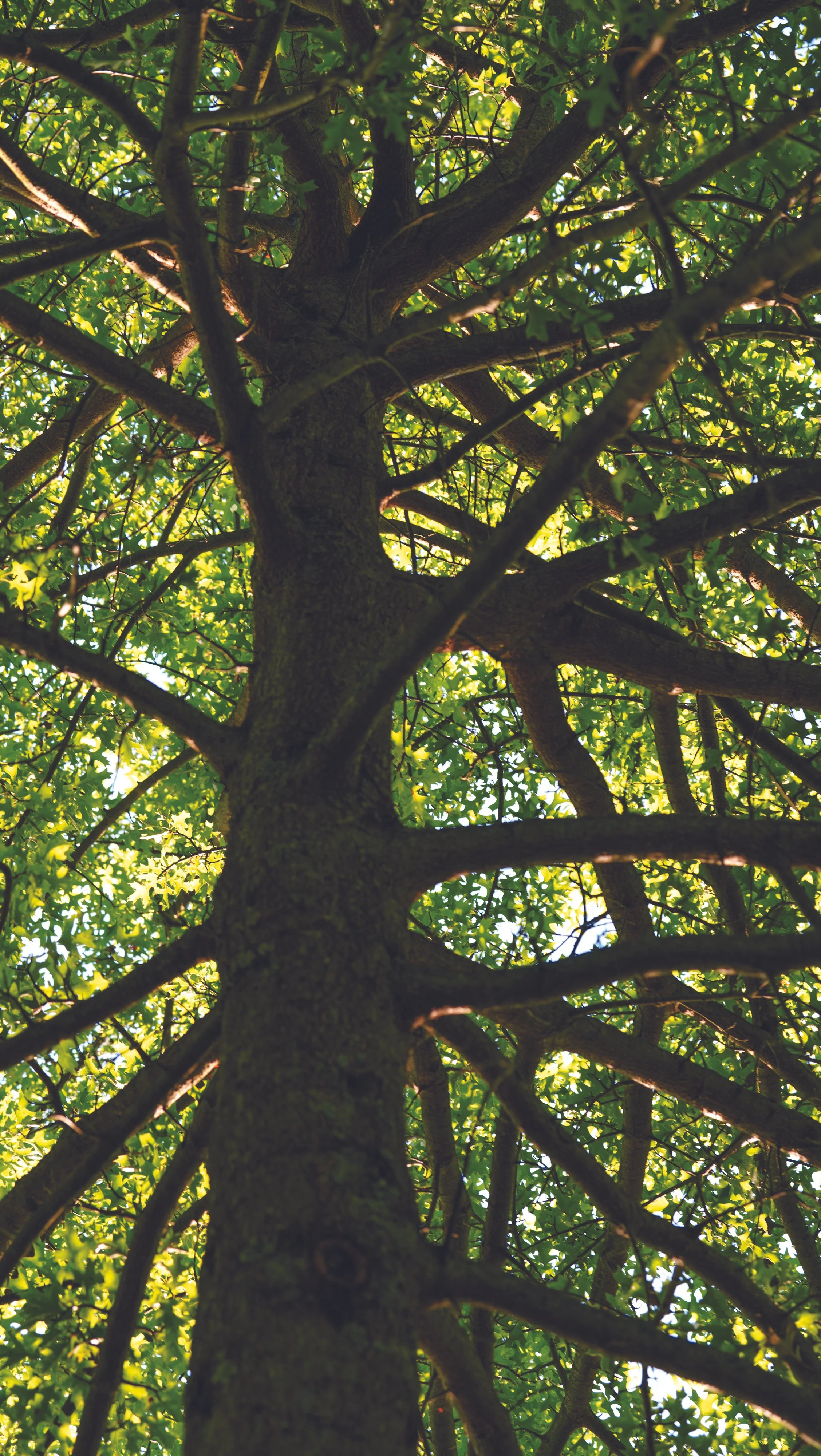
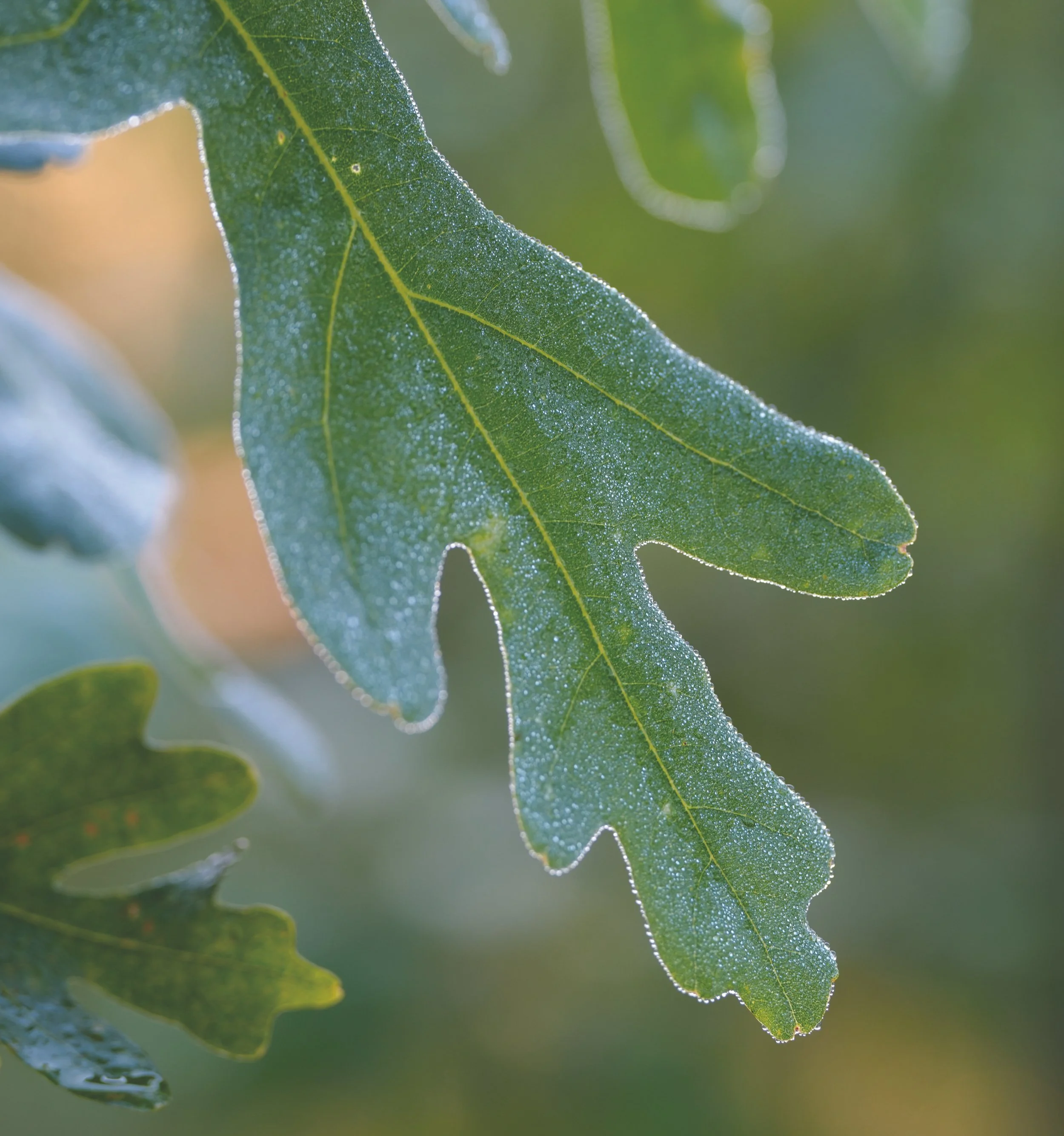
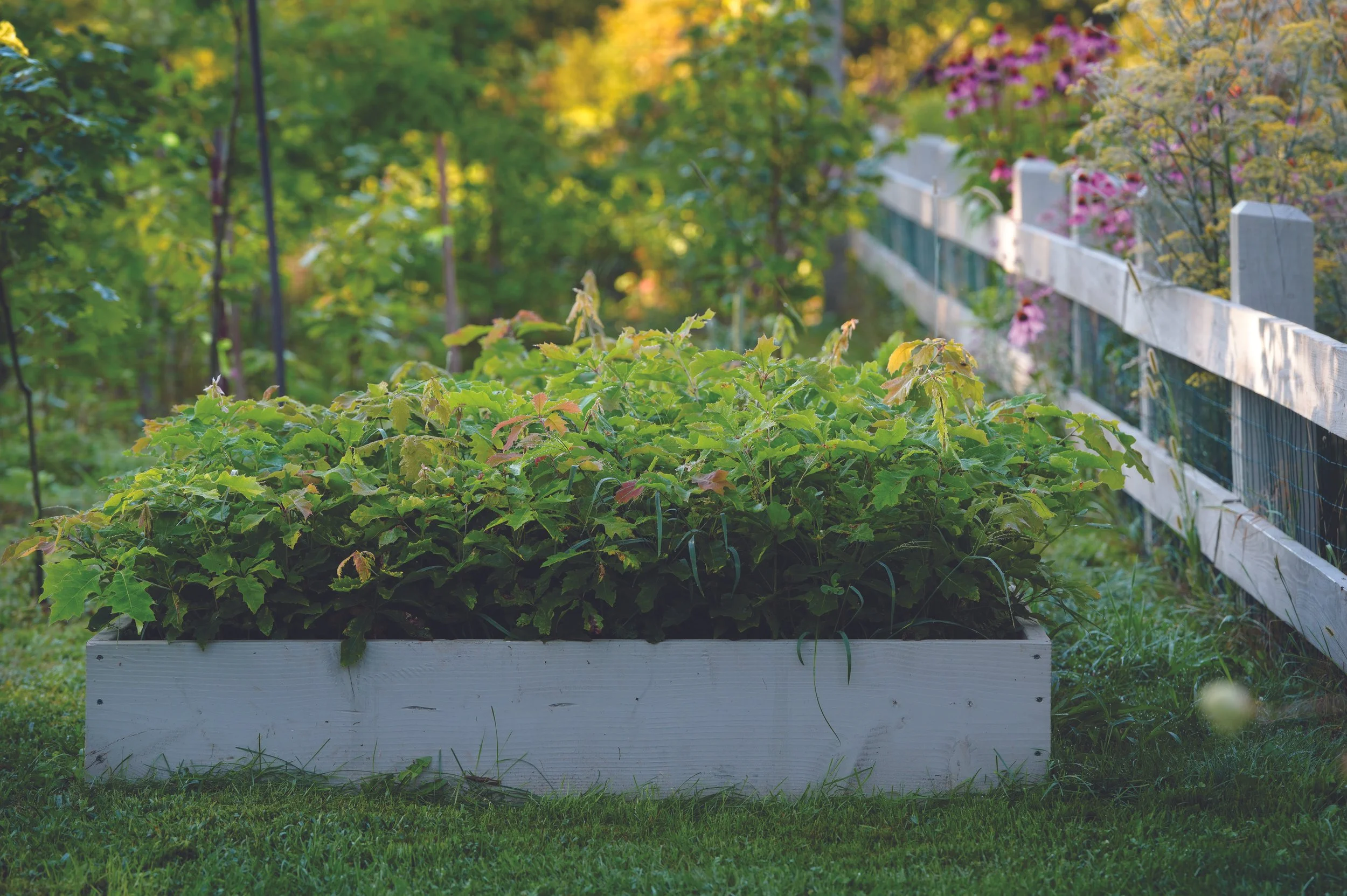
George started by canvassing the 100+ acres for oak trees. As a keystone species, oaks support every level of the food chain. Their massive structure provides shelter, and expansive root systems secure and nourish the soil biome while helping filter water. He found zero oaks.
When he extended his search to adjacent properties covering roughly 1,300 acres, he discovered two specimens as front yard ornamentals. He immediately launched an arduous effort to handplant, grow, and transplant thousands of oak trees, an endeavor he continues today, over 20 years later, albeit more pared down.
“The learning process of planting those oaks was just as difficult as the growing and transplanting of them,” George says. “The deer made it formidable.”
The ecosystem linchpin, however, was a functioning wetland with waterways. And that required heavy machinery and a master plan. George went to his local National Resource Conservation Service (NRCS) field office, where the director, John Whitney, encouraged him to join the Wetland Preserve Program (WRP), which provided select owners with financial and technical assistance to restore and protect wetlands on private property.
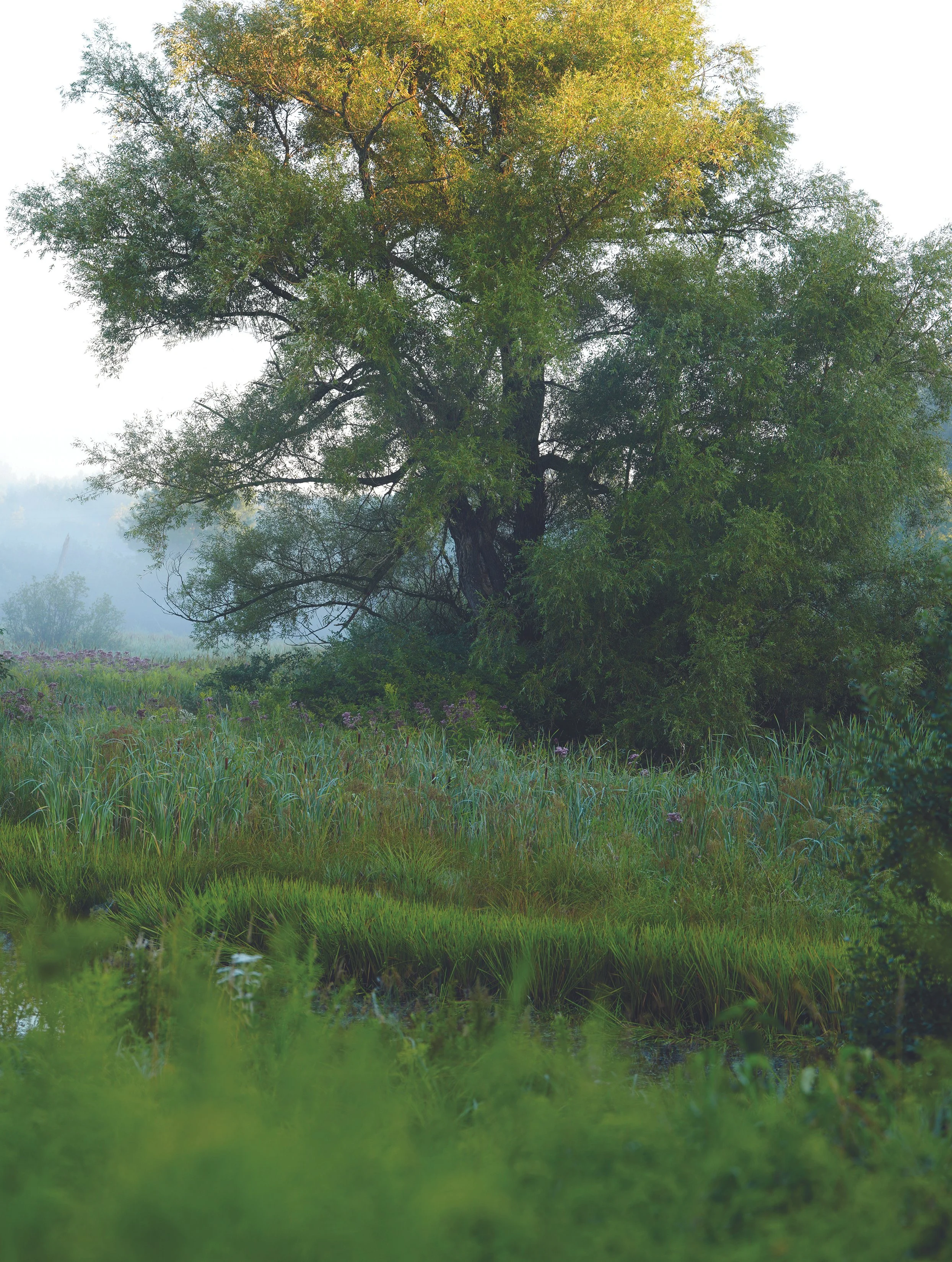
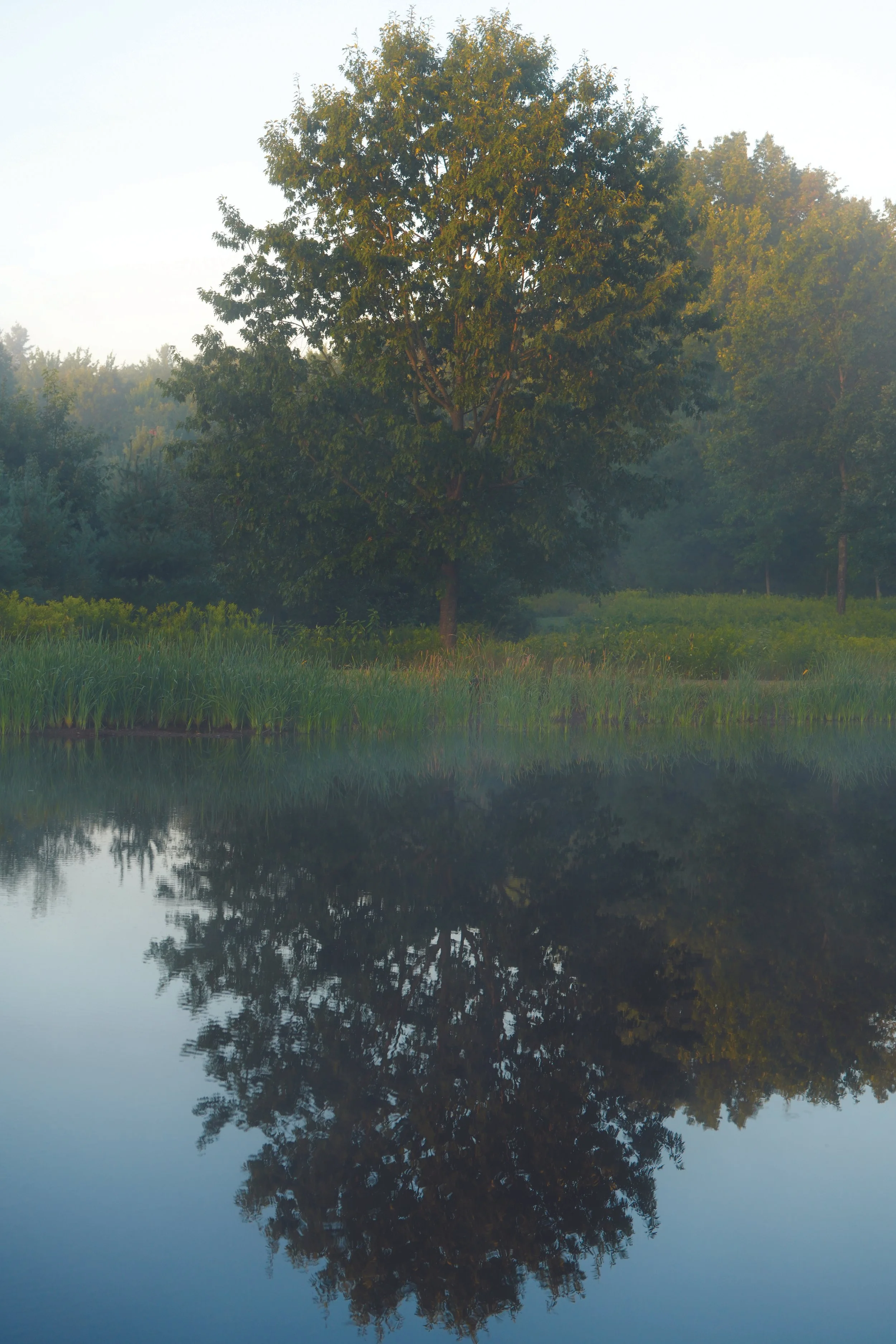
John championed George’s project, and it was eventually chosen. The plan called for a marsh and shallow wetlands with ephemeral spaces of open water. This series of ponds and shallow wetlands fed each other, allowing the water to work its way through the property, becoming naturally filtered and purified.
“There were glacial potholes all through here that had filled up with organic matter over time,” George explains. “For the wetland project, the organic soils we removed were used to amend and restore the impoverished mineral soils all over the property.”
Community and Connectivity
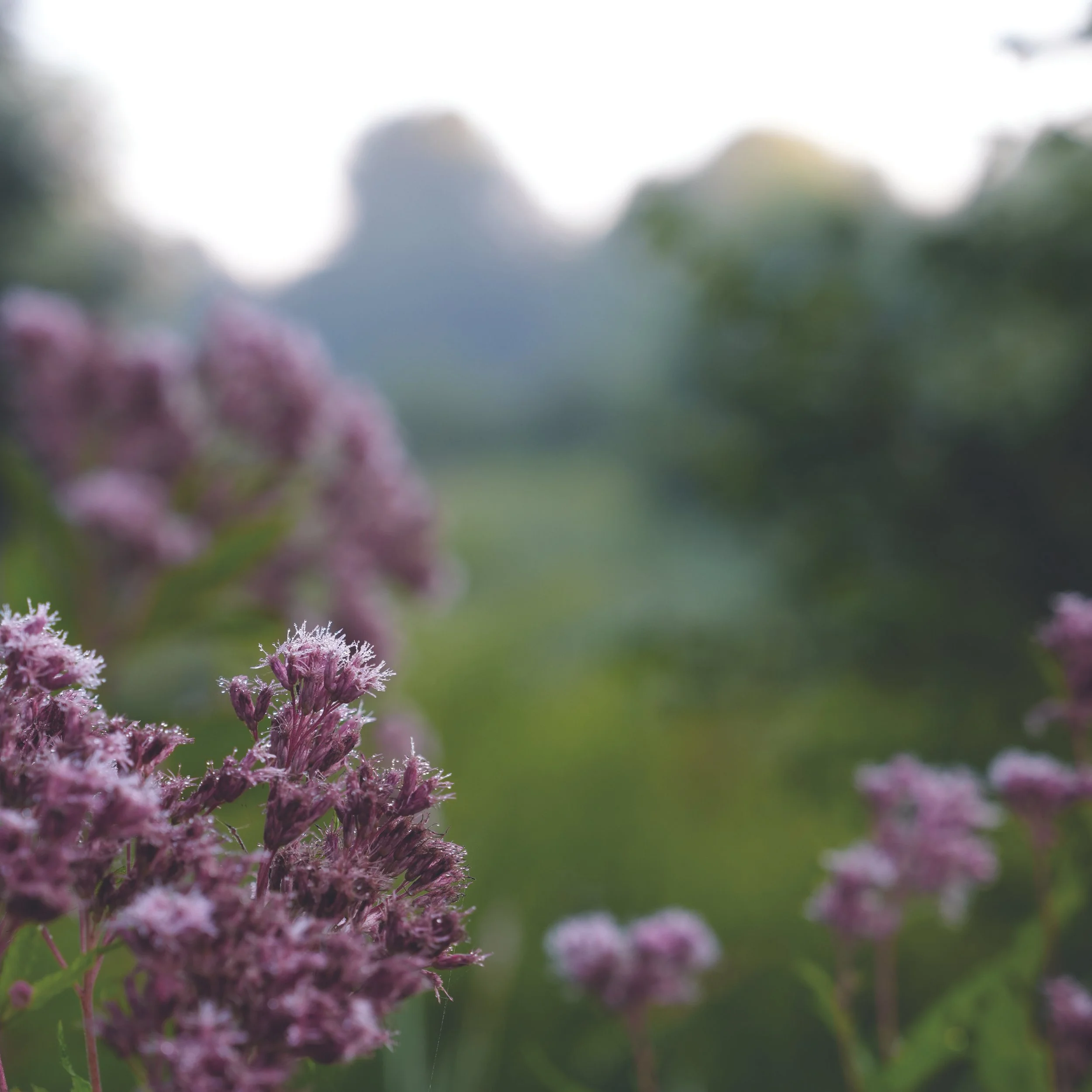
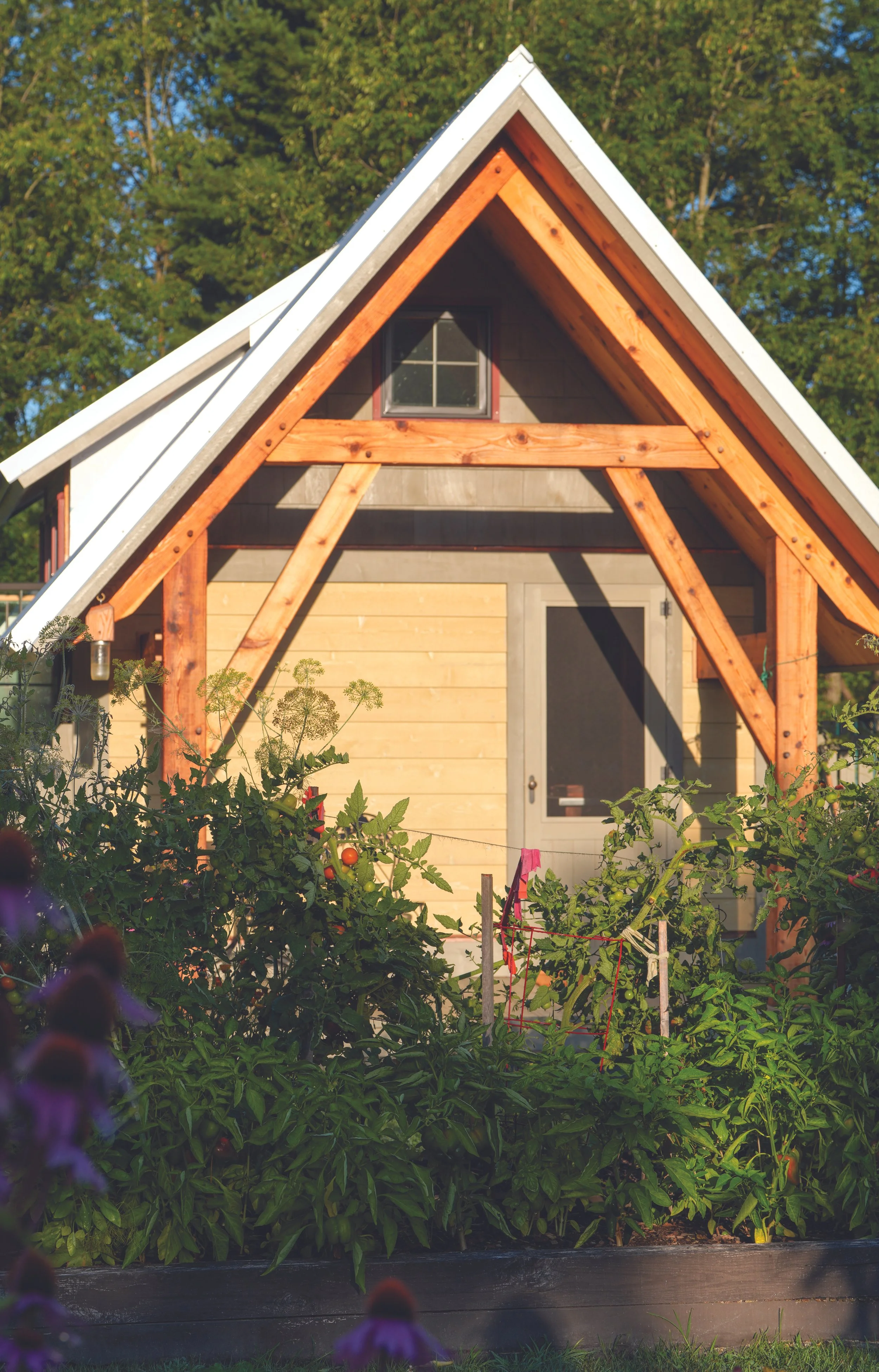
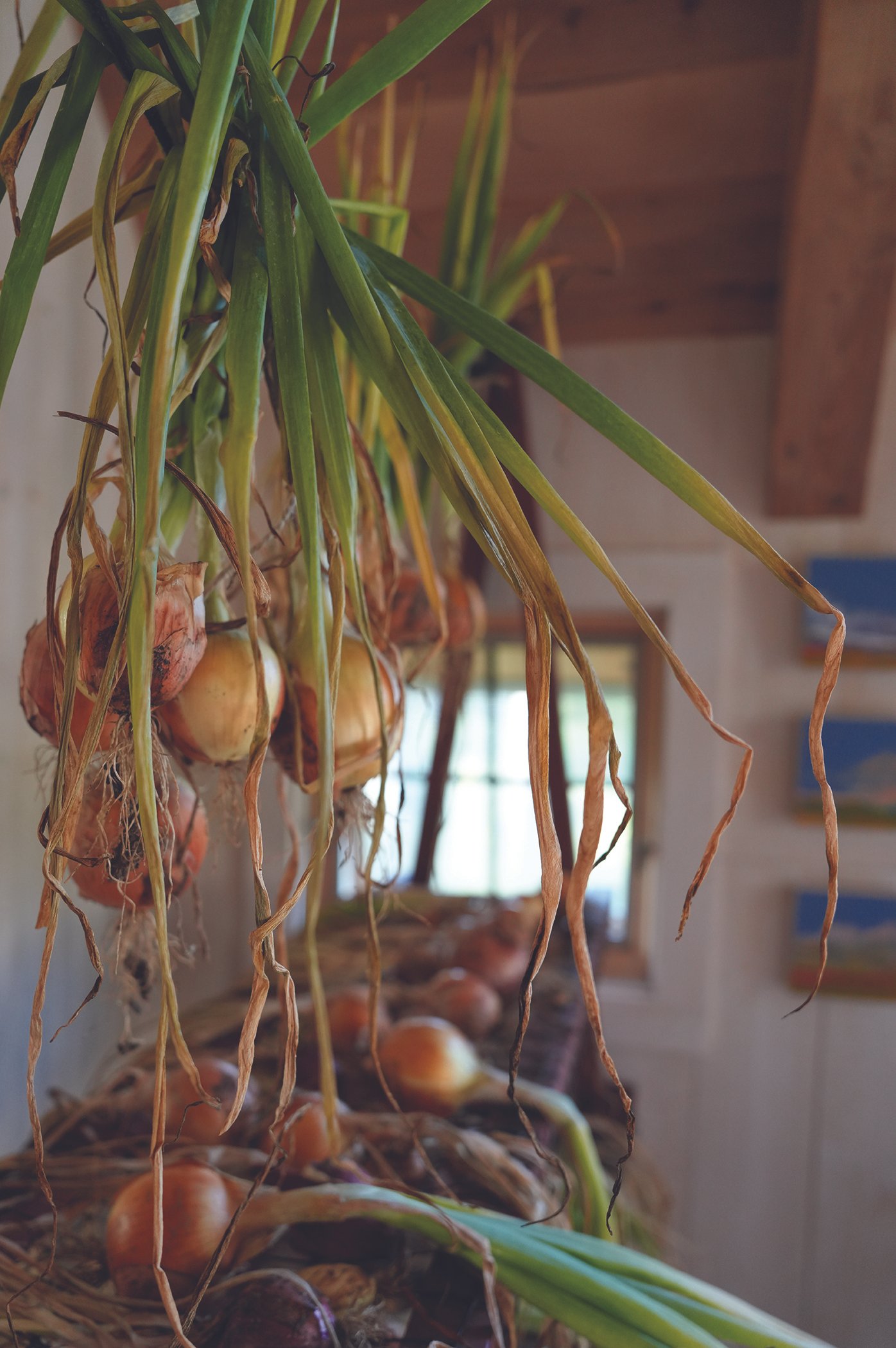
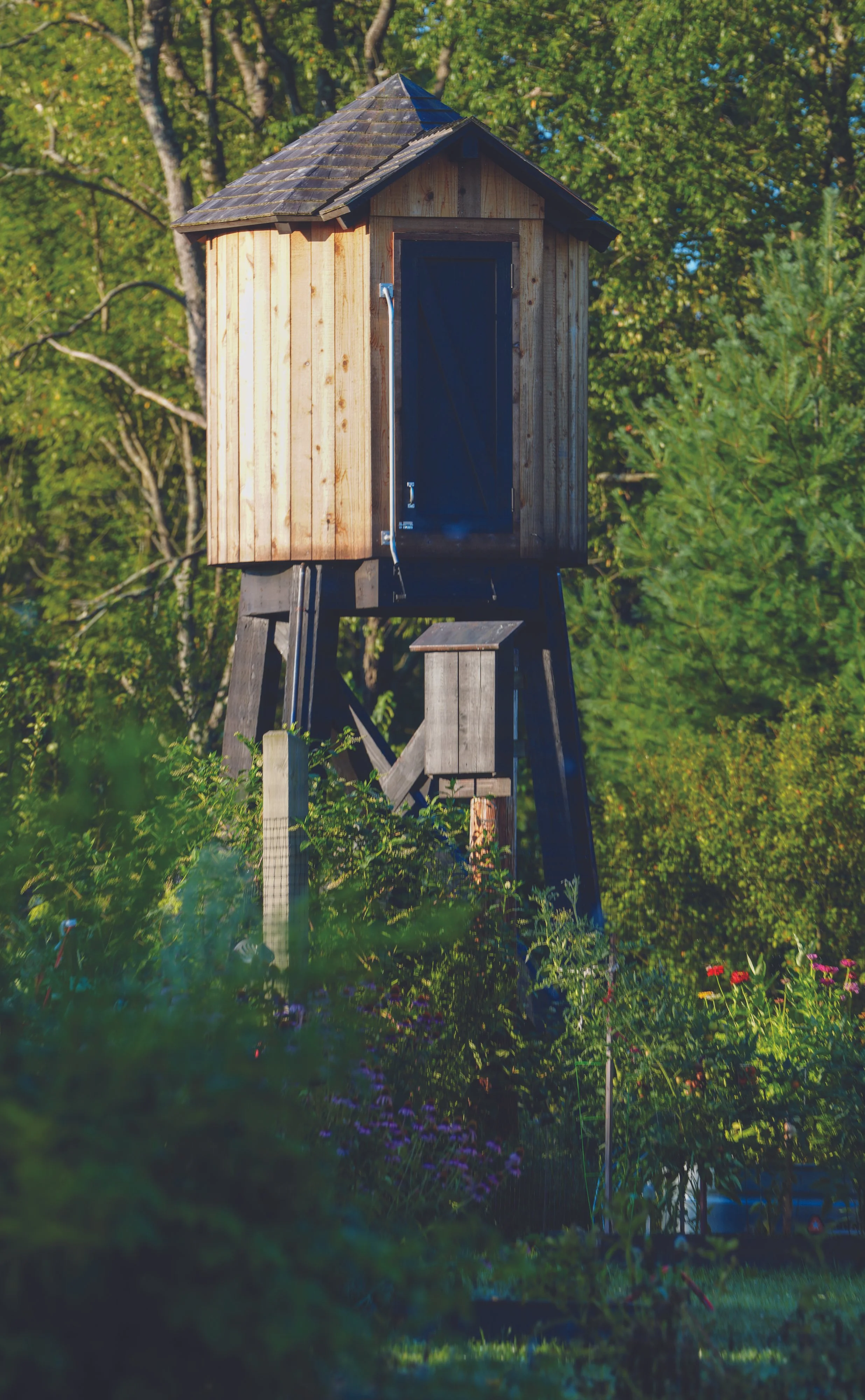
Not only did the wetlands return, but that rich soil was now feeding George’s oak seedlings, which he soon expanded to other species that were needed for a robust ecosystem. After planting 300-400 seedlings every year, he’s reduced the nursery size and expanded the homestead garden, which provides food year round for him and his partner, MaryCarol Dearing. His Timberbuilt timber frame home blends modestly and beautifully into the landscape, which is rich with the humming, buzzing, blooming, blowing, growing, and decaying of life above and below ground. Oaks, otters, beavers, birds, fish, amphibians, invertebrates, soil organisms, mosses, and on and on now live together, nurturing the land and George’s soul. It’s a place of health and dynamic allure.
Recognizing that property boundaries are meaningless in an ecosystem, George is giving his oak saplings to neighbors, inspiring them to adopt their own rewilding land ethic. More, in this case, is better. And as more homeowners adapt rewilding concepts into their own landscapes and lifestyles, they too are discovering and enjoying the many wild returns that come from living with, learning from, and respecting the exquisite beauty and bounty nature wants to provide. All we need to do is listen and give it a chance to do so.